Why Direct Debit Is One of the Smartest and Most Efficient Payment Methods
In an increasingly digital financial world, businesses and consumers alike are looking for payment methods that are simple, reliable, cost-effective, and secure. Among the many options available—cash, credit cards, debit cards, bank transfers, and digital wallets—direct debit payments stand out as one of the most efficient yet often misunderstood systems.
Direct debit payments are widely used for recurring bills, subscriptions, memberships, utilities, insurance premiums, loan repayments, and service contracts. Despite their quiet nature, they play a critical role in keeping modern financial systems running smoothly.
This article explores the key benefits of direct debit payments, explains how they work, and shows why they are increasingly preferred by both businesses and customers. Whether you are a business owner, freelancer, finance professional, or everyday consumer, understanding direct debit can help you save time, reduce costs, and improve financial control.
What Are Direct Debit Payments?
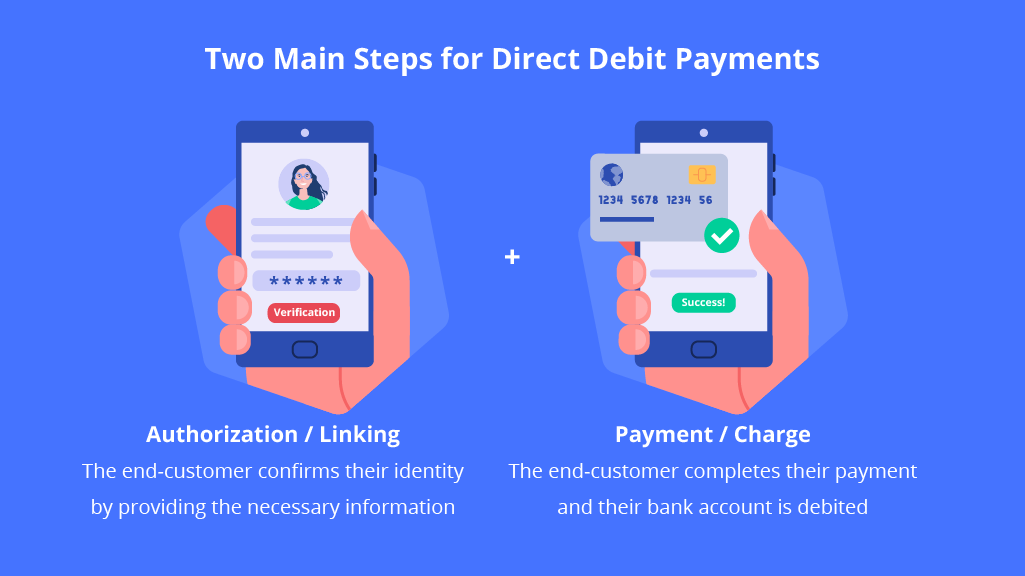
Direct debit is a payment method that allows a business or service provider to automatically collect funds from a customer’s bank account, with the customer’s prior authorization.
Once authorization is given:
- Payments are collected automatically
- Amounts can be fixed or variable
- Payments can be one-time or recurring
Direct debit is commonly used for:
- Utility bills
- Insurance premiums
- Subscriptions
- Membership fees
- Loan repayments
- Rent and service contracts
How Direct Debit Payments Work
- Customer Authorization
The customer provides permission (mandate) to the business. - Payment Schedule Is Set
Payments occur on agreed dates. - Funds Are Collected Automatically
Money is transferred directly from the customer’s bank account. - Records Are Updated
Both parties receive transaction records.
This automation is the foundation of direct debit’s many advantages.
Key Benefits of Direct Debit Payments
1. Convenience and Time Savings
Direct debit eliminates the need for:
- Manual payments
- Remembering due dates
- Standing in line
- Logging into banking apps every month
Once set up, payments happen automatically, freeing both customers and businesses from repetitive administrative tasks.
2. Improved Cash Flow for Businesses
For businesses, predictable cash flow is critical.
Direct debit helps by:
- Ensuring timely payments
- Reducing late or missed payments
- Creating consistent revenue streams
This is especially valuable for subscription-based and service-oriented businesses.
3. Reduced Payment Delays and Late Fees
Late payments are a common problem with manual payment methods.
Direct debit:
- Collects funds on the exact due date
- Minimizes human error
- Helps customers avoid late fees and penalties
Both sides benefit from smoother financial management.
4. Lower Transaction Costs
Compared to credit card payments, direct debit usually has:
- Lower processing fees
- No interchange fees
- Fewer chargebacks
For businesses processing large volumes of transactions, these savings can be significant over time.
5. Stronger Customer Retention
Automatic payments reduce friction.
Customers are more likely to:
- Stay subscribed longer
- Renew memberships
- Maintain service continuity
This leads to higher customer lifetime value.
Benefits of Direct Debit for Consumers
6. Simplicity and Peace of Mind
Consumers no longer need to worry about:
- Missing payment deadlines
- Managing multiple bills manually
This creates a stress-free financial experience.
7. Better Budgeting and Financial Planning
Because direct debit payments:
- Are scheduled
- Are predictable
Customers can plan their budgets more accurately and avoid surprise expenses.
8. Reduced Risk of Service Disruption
Late payments can result in:
- Service suspension
- Penalties
- Loss of access
Direct debit ensures uninterrupted service.
9. Enhanced Security Compared to Manual Payments
Direct debit systems use:
- Bank-level security
- Authorization-based access
- Encrypted transactions
There is no need to share card details repeatedly.
Benefits of Direct Debit for Businesses
10. Automation and Operational Efficiency
Automation reduces:
- Manual invoicing
- Payment follow-ups
- Administrative overhead
Staff can focus on growth rather than collections.
11. Lower Churn Rates
When payments are automatic, customers are less likely to cancel due to payment friction.
This stability is critical for long-term business success.
12. Flexible Payment Structures
Direct debit supports:
- Fixed amounts
- Variable amounts
- Usage-based billing
This flexibility makes it ideal for utilities and service providers.
13. Reduced Risk of Payment Failure
Compared to cards that expire or get replaced, bank accounts are more stable.
This reduces:
- Failed transactions
- Payment interruptions
- Revenue loss
14. Easier Reconciliation and Accounting
Direct debit transactions are:
- Clearly documented
- Easily traceable
This simplifies accounting, auditing, and financial reporting.
Direct Debit vs. Other Payment Methods
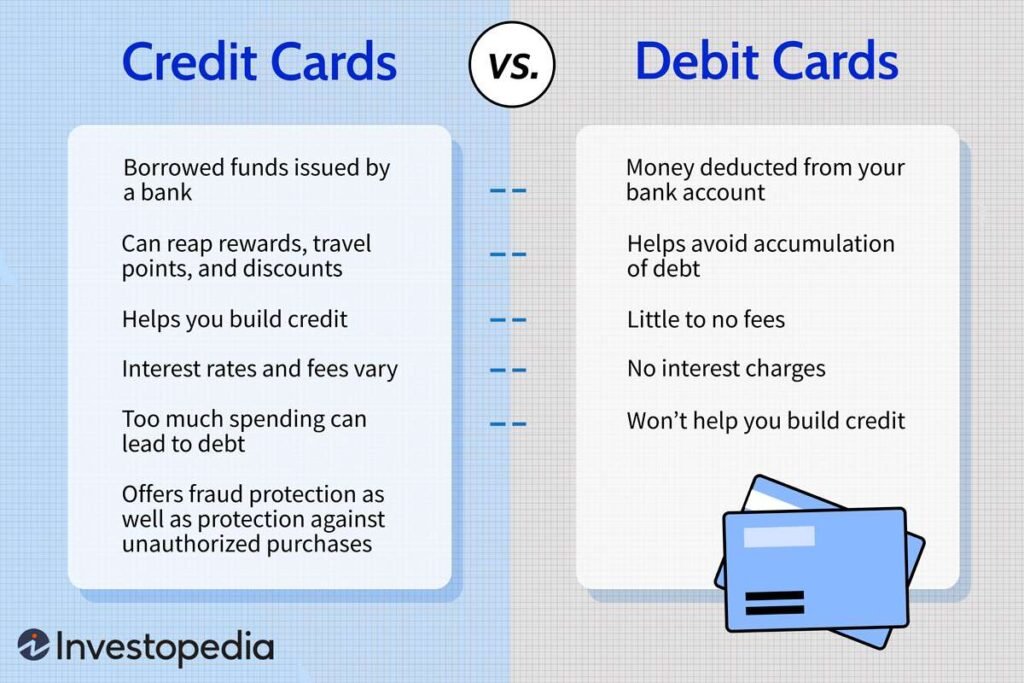
Direct Debit vs. Credit Cards
- Lower fees
- Fewer chargebacks
- No card expiration issues
Direct Debit vs. Manual Bank Transfers
- No action required each time
- Fewer errors
- Better reliability
Direct Debit vs. Cash Payments
- Safer
- Traceable
- Scalable
Use Cases Where Direct Debit Excels
Subscription Services
Streaming platforms, SaaS tools, gyms.
Utilities and Bills
Electricity, water, internet, phone.
Insurance and Loans
Premiums and installments.
Education and Memberships
Schools, clubs, associations.
Addressing Common Concerns About Direct Debit
Is Direct Debit Safe?
Yes, when used through regulated financial institutions.
Can Payments Be Controlled?
Customers can:
- Set limits
- Cancel mandates
- Dispute unauthorized transactions
What About Failed Payments?
Most systems notify both parties quickly, allowing fast resolution.
Regulatory Protections
Direct debit systems often include:
- Refund rights
- Advance notifications
- Consumer protection regulations
These safeguards build trust and transparency.
Best Practices for Using Direct Debit
For Businesses
- Be transparent about amounts and dates
- Communicate changes clearly
- Use reputable payment providers
For Consumers
- Monitor bank statements
- Keep sufficient balance
- Review mandates regularly
Common Mistakes to Avoid
- Poor communication
- Unclear authorization terms
- Ignoring failed payment notifications
Future of Direct Debit Payments
As businesses shift toward:
- Subscription models
- Digital services
- Automated finance
Direct debit is expected to grow even further, supported by:
- Open banking
- Faster payment networks
- Improved user experience
Final Thoughts
The benefits of direct debit payments go far beyond convenience. They create a win-win solution for both businesses and consumers by improving efficiency, reducing costs, enhancing reliability, and simplifying financial management.
For businesses, direct debit offers predictable revenue and operational efficiency. For consumers, it delivers peace of mind, budgeting control, and seamless payments.
In a world that values automation and reliability, direct debit payments remain one of the smartest and most sustainable payment methods available.
Summary:
If you have a credit card or current account, then you might want to take advantage of Direct Debit in order to pay your bills. Direct Debit payments can make paying your bills and regular payments much easier and help you to manage your money much better. If you want to know more about Direct Debit and how it can help you manage your bills then here are some useful tips about how to get started with Direct Debit.
What is Direct Debit?
Direct Debit is a system by which …
Keywords:
credit cards,balance transfers,cash back,advice,purchases,news,credit cards uk,visa,mastercard
Article Body:
If you have a credit card or current account, then you might want to take advantage of Direct Debit in order to pay your bills. Direct Debit payments can make paying your bills and regular payments much easier and help you to manage your money much better. If you want to know more about Direct Debit and how it can help you manage your bills then here are some useful tips about how to get started with Direct Debit.
What is Direct Debit?
Direct Debit is a system by which monthly payments are taken directly from your account, whether it is a credit card or normal bank account. You set up your Direct Debit once and then the money automatically comes out of your account at the right time. Direct Debit is the preferred payment method of most bill payers because it is quicker, safer and easier than other methods.
Safety
One advantage of Direct Debit payments is that it is much safer than paying by cheque or cash, because the money simply comes out of your account and goes to the correct organisation or person. There is no paperwork to deal with, no chance of your money being taken on the way to the bank and no chance of the cheque getting lost. Direct Debit is the safest way to pay your bills and make regular payments.
Certainty
Another reason why Direct Debit is a great idea is that it gives you the certainty to know your payments will be made on time each month. This works both ways, as both customers and retailers know that they will receive their money at the right time. Only errors or non-payment will be reported so you can just get on with your business knowing that your payments are in hand.
Easily manage your payments
If you pay by Direct Debit, then you know exactly when your bills will be paid, and if they are fixed payments then you will know exactly how much you will pay as well. This can help you to better manage your money and stay one step ahead when it comes to expenditures. If you pay by Direct Debit for your bills then you will know exactly how much money you need at various points in the month. You can even arrange it so all your Direct Debit payments are collected at the same time. You can also cancel your Direct Debit at any point, thereby easily stopping the funds from leaving your account if you want to stop making payment.
No processing fees
Unlike some payment methods, there are no fees associated with Direct Debit payments. Only the money that you owe is taken out of your account, with no extra fees to pay whatsoever. This is different than paying by cheque or other methods where you might have to pay a processing or handling fee to pay your bill. Direct Debit is the best way to pay your bills, whether you want to use a credit card or a regular bank account.




Tinggalkan Balasan